

K–12 technology learning for schools, microschools, homeschools, and community partners

Hands-on STEAM pathways and digital readiness programs built for modern learners.

Laissez Fair Digital Studio delivers project-based STEAM Studio experiences for ages 6–17 and Digital Readiness programs for teens, adults, families, and workforce-facing organizations.

Our model is designed for flexible implementation: instructor-led delivery, hybrid school partnerships, summer camps, lab bundles, self-paced curriculum, and credit-aligned high school pathways.

14+STEAM Studio labs
4 labsper semester bundle + capstone
Flexibleschool, homeschool, summer, and curriculum models
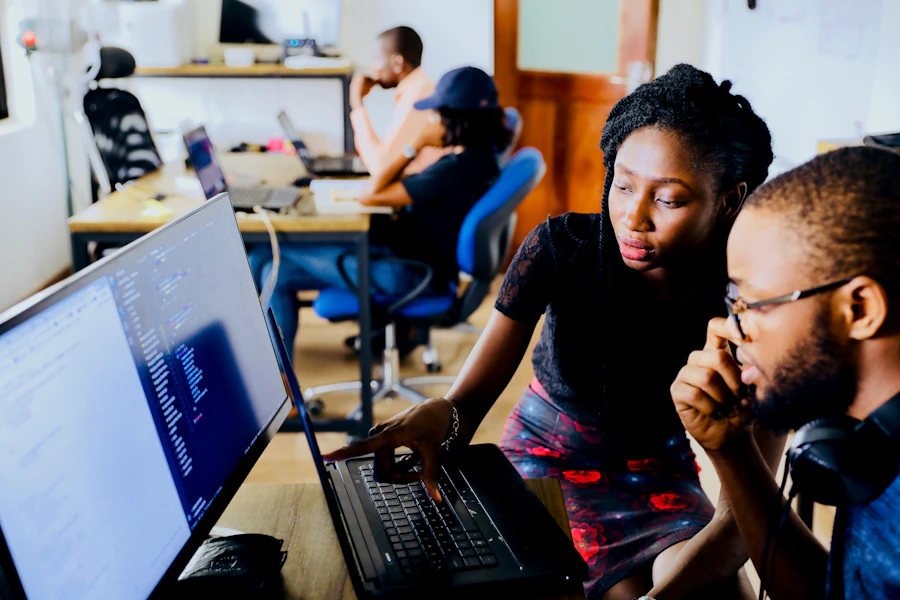
Students learning digital technology together
Programs in action

Built to feel like a modern innovation studio.

Inspired by immersive, future-facing layouts similar to leading lab and creative-tech programs, the studio blends design, coding, robotics, XR, engineering, and digital media into one ecosystem.

Two core offerings

One studio. Two distinct program systems.

STEAM Studio

Project-based K–12 technology learning with lab pathways in coding, robotics, digital design, XR/VR, engineering, game development, audio/media production, and maker-centered exploration.

Elementary 6–9 Middle 9–12 High 13–17 Summer Camps

Labs can be booked individually, grouped into quarterly bundles, or delivered as semester programs with capstones. High school pathways can be structured as credit-aligned coursework through school partners.


Digital Readiness

A structured pipeline for digital foundations, family digital safety, college and career readiness, and workforce fluency for teens, adults, and partner organizations.

Digital Foundations Digital Parenting College & Career Workforce & Emerging Tech

Ideal for schools, homeschool communities, libraries, nonprofits, and workforce programs seeking practical digital literacy and transition-to-work support.

STEAM Studio

STEAM Studio labs for flexible K–12 implementation.

STEAM Studio is one of the studio’s main program offerings. These fourteen labs are designed as flexible 4–6 week experiences at roughly 30 hours total and can run as workshops, camps, a la carte school experiences, quarter bundles, semester pathways, and curriculum-supported implementation partnerships.

Students working together in a STEAM Studio learning environment

How the lab model works

Each lab includes guided instruction, project cards, videos or demonstrations, applied builds, portfolio artifacts, and age-appropriate assessments or reflections.

Format: 4–6 weeks or condensed workshop/camp
Time: ~30 hours total per lab
Use cases: school enrichment, homeschool pods, summer camps, self-paced curriculum, semester pathways
Pricing: individual lab implementation starts at $500–$1,500 per lab cycle, and camp implementation starts at $750–$2,500 depending on facilitation, schedule length, materials, technology needs, equipment, and customization.

Media & Creative Labs

Teen creating video content

Content Creation Lab

Students create short-form videos, story-driven content, and digital campaigns.

4–6 weeksCapCut • Canva • Pixlr

Lab: Starting at $500–$900 per cycle • Camp: Starting at $750–$1,500

Students working on digital design

Digital Design Lab

Branding, layout, campaign graphics, posters, and visual communication projects.

4–6 weeksCanva • Pixlr

Lab: Starting at $500–$900 per cycle • Camp: Starting at $750–$1,500

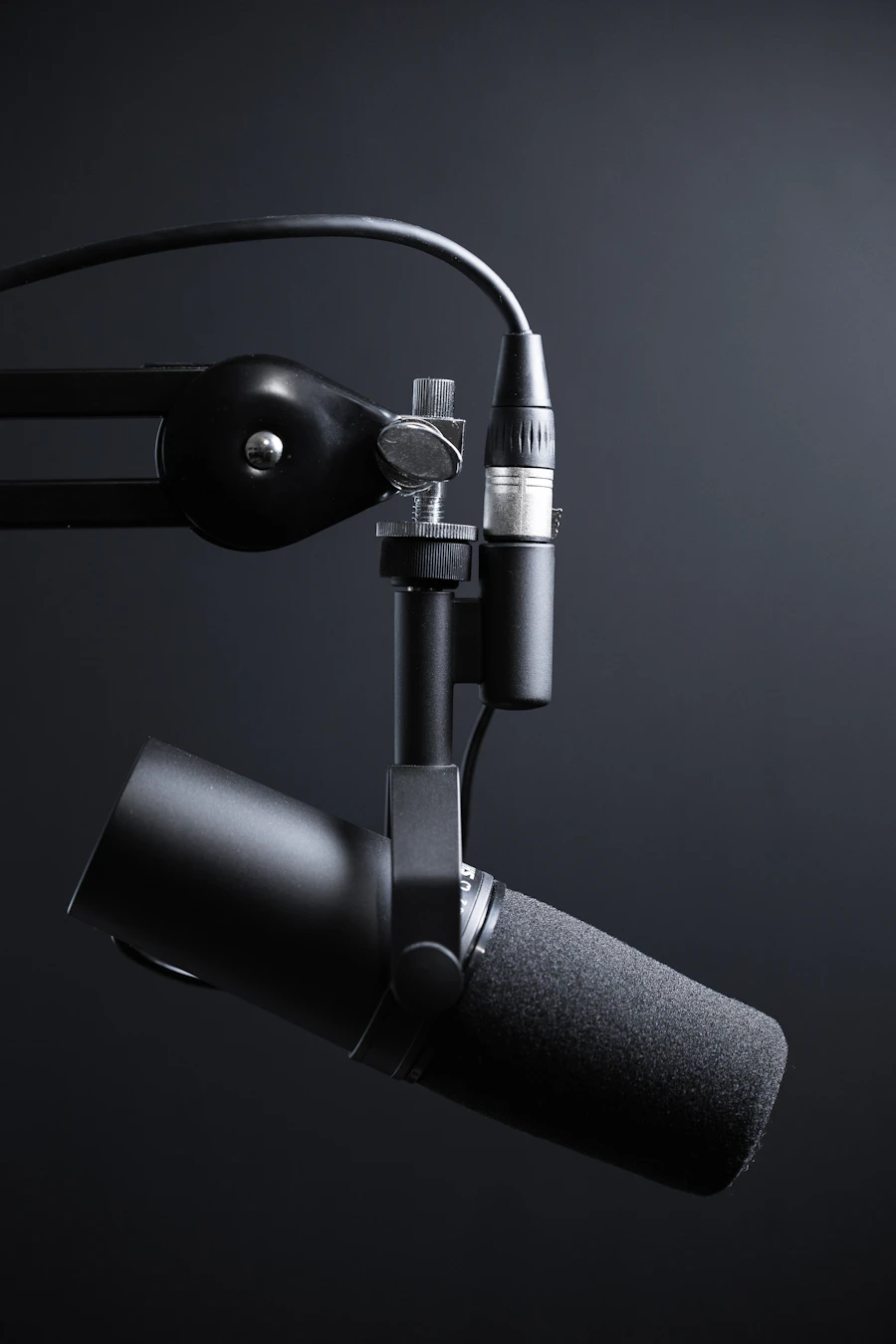
Teen student recording audio for a podcast

Podcasting & Audio Production Lab

Podcast episodes, voiceovers, audio storytelling, and soundtrack work for projects and videos.

4–6 weeksCapCut • recording tools

Lab: Starting at $500–$900 per cycle • Camp: Starting at $750–$1,500

Coding & Development Labs

Student programming

Programming Foundations Lab

Logic, sequencing, coding foundations, and problem-solving for beginner coders.

4–6 weeksScratch • guided coding

Lab: Starting at $750–$1,200 per cycle • Camp: Starting at $1,000–$1,800

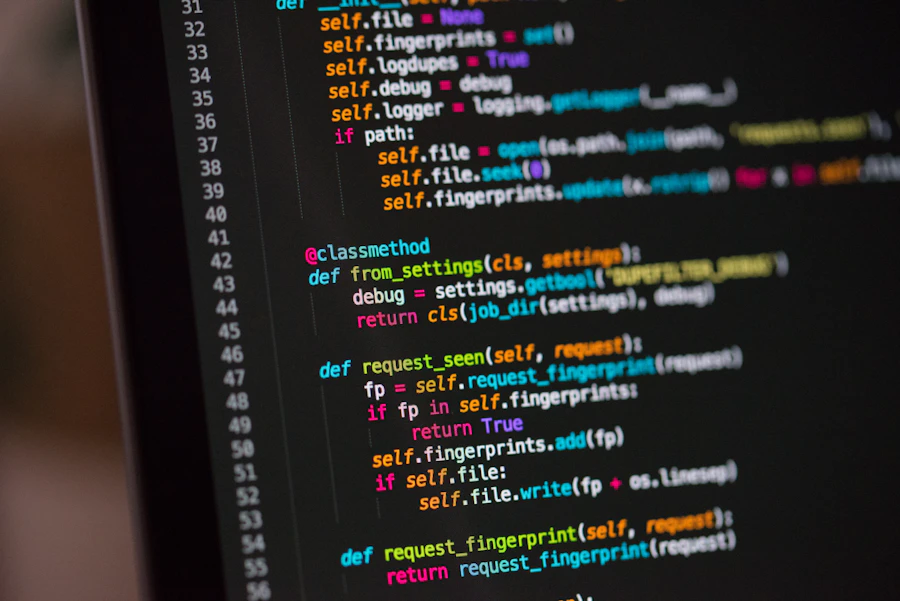
Laptop with website code

Web Development Lab

Students build portfolios and websites using beginner-friendly templates or HTML/CSS foundations.

4–6 weeksGoogle Sites • Canva • VS Code

Lab: Starting at $750–$1,200 per cycle • Camp: Starting at $1,000–$1,800

App design on phone

App Development Lab

Students explore app logic, interface planning, and beginner app design workflows.

4–6 weeksUI planning • app logic tools

Lab: Starting at $750–$1,200 per cycle • Camp: Starting at $1,000–$1,800

Game design computer screen

Game Design Lab

Playable game projects focused on mechanics, storytelling, level flow, and interactivity.

4–6 weeksScratch • CoSpaces • optional Godot

Lab: Starting at $750–$1,200 per cycle • Camp: Starting at $1,000–$1,800

Immersive, Engineering & Applied Labs

Student using virtual reality

Immersive Systems Lab

AR/VR world-building, simulations, coding, and interactive digital storytelling.

4–6 weeksCoSpaces EDU

Lab: Starting at $900–$1,500 per cycle • Camp: Starting at $1,500–$2,500

Smart city engineering illustration

Systems & Smart Tech Lab

Students model smart cities, connected systems, workflows, and future-tech environments.

4–6 weeksCoSpaces • systems modeling

Lab: Starting at $900–$1,500 per cycle • Camp: Starting at $1,500–$2,500

Students working on robotics and engineering activities

Robotics & Engineering Lab

Circuits, simple automation, sensors, and applied engineering builds.

4–6 weeksArduino • Tinkercad Circuits

Lab: Starting at $900–$1,500 per cycle • Camp: Starting at $1,500–$2,500

3D printing workspace

3D Design & Printing Lab

Students design products, toys, props, and prototypes for 3D printing.

4–6 weeksTinkercad • 3D printing

Lab: Starting at $900–$1,500 per cycle • Camp: Starting at $1,500–$2,500

Children building with blocks

Blocks Engineering Lab

Hands-on engineering and build challenges using physical block and LEGO-style systems.

4–6 weeksPhysical build systems

Lab: Starting at $500–$1,000 per cycle • Camp: Starting at $750–$1,500

Students collaborating on a creative business project

Digital Entrepreneurship Lab

Branding, campaign planning, digital products, and project-to-market thinking.

4–6 weeksCanva • CapCut

Lab: Starting at $900–$1,500 per cycle • Camp: Starting at $1,500–$2,500

Children exploring STEM

STEAM Exploration Lab

Foundational build-create-explore experiences for younger learners and adapted pathways.

4–6 weeksHands-on STEM • guided exploration

Lab: Starting at $500–$1,000 per cycle • Camp: Starting at $750–$1,500

Students using laptops for digital publishing work

Research & Digital Publishing Lab

Students investigate topics, create visual articles, and publish portfolio-ready digital work.

4–6 weeksCanva • web publishing tools

Lab: Starting at $500–$900 per cycle • Camp: Starting at $750–$1,500

Pathway progression

LFDS STEAM Pathways

Progressive project-based STEAM and creative technology pathways built through immersive quarterly lab experiences, digital portfolio development, and real-world capstone showcases.

LABS

4–6 week immersive experiences focused on a specific creative technology, STEAM, or digital skill area.

BUNDLES

Quarterly grouped lab themes combining multiple labs into a focused implementation experience.

PATHWAYS

Progressive semester and yearlong learning tracks that build toward portfolio-ready showcases, capstones, and real-world project application.

Progression framework: Labs → Bundles → Pathways → Programs.

Quarter bundles

Lab bundles for schools, pods, and seasonal implementation.

Bundles combine 2–4 labs into a quarter implementation cycle and bridge Labs → Bundles → Pathways → Programs for schools, microschools, homeschool co-ops, enrichment blocks, and summer intensives.

Media & Content Bundle

Content Creation, Podcasting, Digital Design, and Research & Digital Publishing.

Best for: digital storytelling, school media, and portfolio systems
Starting at $1,800–$2,500 per classroom/cohort

Software & Development Bundle

Programming Foundations, Web Development, App Development, and Game Design.

Best for: coding pathways, applied development, and technical creativity
Starting at $2,000–$3,000 per classroom/cohort

Immersive Technology Bundle

Immersive Systems, Systems & Smart Tech, Digital Design, and Game Design.

Best for: XR, simulation, interactive design, and showcase experiences
Starting at $2,200–$3,500 per classroom/cohort

Engineering & Maker Bundle

Robotics, 3D Design, Blocks Engineering, and Systems & Smart Tech.

Best for: makerspaces, engineering blocks, and design-build cycles
Starting at $2,500–$4,000 per classroom/cohort

Foundations Bundle

STEAM Exploration, Blocks Engineering, Programming Foundations, and Digital Design.

Best for: elementary and adapted middle pathway progression
Starting at $1,800–$2,800 per classroom/cohort

Applied Digital Foundations Bundle

Adapted STEAM Exploration, Immersive Systems, Digital Design, and Intro Programming.

Best for: neurodiverse learning environments and differentiated implementation
Starting at $2,500–$4,000 per classroom/cohort

Materials, consumables, specialty equipment, software licensing, fabrication supplies, showcase materials, and optional experiential learning activities may require additional fees depending on selected labs and implementation scope.

Programs & pathways

Programs are organized as studio pathways, not just standalone bundles.

Technology & Systems Design is the full pathway framework, with specialized pathways branching in the upper grades. Applied Digital Foundations is the parallel scaffolded pathway for neurodiverse and visual-first learners. Programs may be implemented through school partnerships, microschool cohorts, homeschool pods, enrichment blocks, summer intensives, hybrid delivery models, curriculum-supported implementation, or facilitated pathway partnerships.

Pathways culminate in portfolio-ready showcase experiences, immersive project presentations, innovation demonstrations, digital publishing projects, collaborative capstone work, and real-world creative technology applications.

Elementary students engaged in STEAM exploration

STEAM Exploration Studio

For ages 6–9. A guided elementary pathway built around exploration, building, creative technology, and introductory interactive design.

Labs: STEAM Exploration, Blocks Engineering, Immersive Systems, Digital Design
Capstone: interactive build showcase
Use cases: elementary enrichment, camps, homeschool pods, lower school studio blocks
Semester implementation starting at $3,000–$5,000 per classroom/cohort with customization by scope and facilitation model
Middle grade students learning interactive technology

Technology & Systems Design Foundations

For ages 9–12. A middle years feeder program centered on digital literacy, coding logic, simulations, systems thinking, and interactive design.

Labs: Programming Foundations, Game Design, Immersive Systems, Systems & Smart Tech
Capstone: interactive simulation or smart system project
Program focus: digital literacy, coding logic, collaboration, systems thinking
Semester implementation starting at $3,500–$6,000 per classroom/cohort depending on pathway scope, facilitation structure, materials, and customization needs.
High school students in advanced technology pathway

Technology & Systems Design (TSD)

For ages 13–17. This academy-style implementation is the studio’s full high school pathway framework. Students begin with broad technology foundations, then move into multi-track specializations such as Programming & Web, Digital Design, Game/XR, and Engineering through portfolio-driven, capstone-centered experiences.

Foundation sequence: Digital Information Technology → Discovering Computer Science or Game & Simulation Foundations
Specialized pathways: Programming & Web, Digital Design, Game/XR, Engineering
Capstone: portfolio, simulation, web product, engineering prototype, or advanced interactive system
Semester implementation starting at $5,000–$10,000+ per classroom/cohort depending on pathway specialization, facilitation model, technology integration, and customization requirements.

TSD is positioned as the umbrella academy pathway, with specialized tracks implemented as integrated progression options.

Students learning in a scaffolded digital classroom

Applied Digital Foundations Pathway (ADFP)

A scaffolded, neurodiverse-friendly pathway for learners who benefit from visual-first implementation, differentiated instruction, and immersive project systems.

Progression: Applied Digital Foundations I → Applied Digital Exploration → Applied Interactive Systems → Applied Digital Applications
Core labs: Adapted STEAM Exploration, Immersive Systems, Digital Design, Intro Programming, Media & Applied Projects
Capstone: guided interactive portfolio project
Semester implementation starting at $4,000–$8,000 per classroom/cohort depending on accessibility supports, facilitation structure, technology integration, and customization needs.
Students exploring specialized technology pathways

TSD Specialized Pathways

Upper-pathway specializations can be marketed as pathway clusters within the larger TSD framework.

Programming & Web: Programming Foundations, Web Development, App Development
Digital Design: Digital Design, Content Creation, Research & Digital Publishing
Game / XR: Game Design, Immersive Systems, Systems & Smart Tech
Engineering: Robotics, 3D Design, Systems & Smart Tech, Blocks-to-Maker progression
Students producing media and entrepreneurial projects

Media & Entrepreneurship Studio

An optional studio pathway for creator-focused learners who want brand, media, publishing, and digital storytelling experiences.

Labs: Content Creation, Podcasting & Audio Production, Digital Design, Digital Entrepreneurship
Capstone: personal brand, media campaign, or digital showcase
Semester implementation starting at $3,500–$6,500 per classroom/cohort based on facilitation and showcase scope

Pricing varies based on implementation structure, cohort size, facilitation frequency, materials, technology integration, accessibility supports, and customization requirements.

Digital Readiness

Digital skills pathways beyond STEAM Studio.

In addition to K–12 STEAM Studio, the studio offers Digital Readiness programs that support digital confidence, family safety, college and career preparation, and workforce fluency.

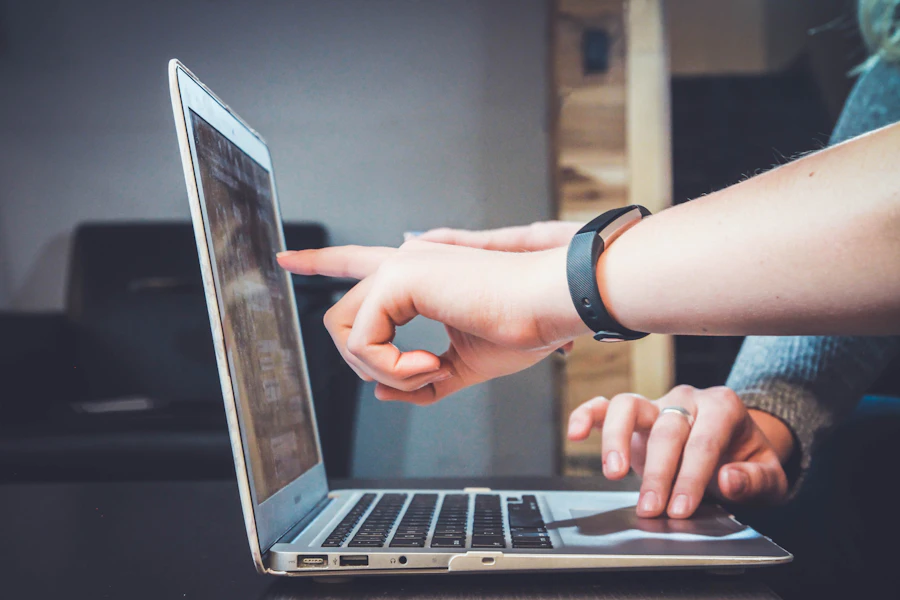
Learner building digital literacy skills on a laptop

Digital Foundations & Security Literacy

Safe browsing, device confidence, email, cloud tools, file management, passwords, 2FA, and scam awareness.

Parent and child using technology together

Digital Parenting Education

Guidance for families on apps, social media, gaming platforms, digital citizenship, and safety tools.

Students working on college and career planning materials

College & Career Readiness

Resumes, portfolios, scholarships, professional writing, and exposure to career-connected technology skills.

Professional using digital tools for work and productivity

Workforce Readiness & Emerging Technologies

Microsoft 365, Google Workspace, AI productivity, cloud exposure, CRM awareness, and practical digital workflows.

Adult learners collaborating in a digital learning environment

Digital Learning Lab model

Our Digital Readiness model is built as a Digital Learning Lab, allowing participants to access structured learning pathways while receiving real-time support both in person and virtually.

Self-Paced Learning: Structured modules through Canvas with lessons, guided activities, and completion-based progress tracking
In-Person Support: Scheduled sessions for demonstrations, walkthroughs, and hands-on assistance
Virtual Support Hours: Teams support blocks for troubleshooting, questions, and activity help
Safe Access Model: Participant-controlled support with no remote control software or admin permissions required
Pricing

Flexible pricing for labs, bundles, and supported digital learning.

Whether you need individual STEAM labs, quarter bundles, semester pathways, or a supported Digital Learning Lab model, pricing is structured around immersive implementation scope, facilitation cadence, technology integration, and partner customization needs.

Starter Pilot

Starting at $2,000–$3,000/month

2–3 days per week on-site support
Structured pathway implementation
Self-paced module access
Virtual support hours
Participant support guides

STEAM Studio Pricing

Premium pathway pricing for labs, bundles, and program implementation.

Individual labs: starting at $500–$1,500 per lab cycle
Camp implementations: starting at $750–$2,500 depending on duration and materials
Quarter bundles: starting at $1,800–$4,000 per classroom/cohort
Semester pathways: starting at $3,500–$10,000+ per classroom/cohort

Growth Program

Starting at $3,000–$4,500/month

3–4 days per week on-site support
Expanded immersive support
Multi-group or cohort-friendly model
Digital readiness pathways included
Ideal for libraries and workforce programs

Full Learning Lab

Starting at $4,500–$6,000/month

4–5 days per week on-site support
Full digital learning lab model
Ongoing in-person and virtual support
Scalable for larger organizations
Strong fit for city or multi-site programs

Programs may be implemented through school partnerships, microschool cohorts, homeschool pods, enrichment blocks, summer intensives, hybrid delivery models, curriculum-supported implementation, or facilitated pathway partnerships.

Why partners choose the studio

Designed for real implementation, not just inspiration.

Project-based

Students build games, websites, campaigns, products, and portfolios instead of only completing passive lessons.

Flexible delivery

Available in person, live online, hybrid, camp format, self-paced curriculum, or licensed school implementation.

Partner-ready

Works for schools, microschools, homeschool pods, libraries, nonprofits, and community education partners.

Credit-aligned

High school pathways can be structured to support elective or CTE-aligned coursework with partner-issued credit.

About

Kory Ricketts

Educator leading a collaborative session

Founder / Program Director

Kory Ricketts is the founder of Laissez Fair Digital Studio, a community-focused technology education initiative dedicated to expanding access to digital literacy, STEAM learning, and workforce readiness programs.

He serves as a STEAM Studio Coordinator and Technology Manager for Spotlight Scholars Microschool (Lower Elementary), where he leads project-based learning experiences and supports the integration of technology for students and staff. He also works as an IT Support Technician for Liberty University and holds a CompTIA IT Fundamentals (ITF+) certification.

Kory specializes in building scalable education systems that connect foundational digital skills with real-world application. Through Laissez Fair Digital Studio, he partners with schools, libraries, and community organizations to deliver structured, flexible, and immersive learning programs.

Contact

Let's connect and build something together.

Professional meeting and partnership conversation

Direct Contact

Phone: (321) 247-9864

Email: kricketts@laissezfairstudio.com

Reach out for partnerships, school programs, workshops, or Digital Learning Lab implementation.

Submit Inquiry Form